There are over 2 billion Muslims all over the world who follow the Lunar Islamic (Hijri) calendar. Their holidays and celebrations mainly depend on the position of the moon, so the dates differ every year.
There are two major Islamic holidays celebrated worldwide: Eid al-Fitr and Eid al-Adha.
Eid al-Fitr will take place on Saturday, 21st March. It is celebrated at the close of the Ramadan month. Eid al-Adha, on the other hand, will be celebrated on Tuesday, 26th May 2026. It is the 10th day of Dhu al-Hijjah or the last month of the Lunar Islamic calendar.
Eid al-Fitr (Festival of Breaking Fast)
Eid al-Fitr takes place on the first day of Shawwl (i.e., the tenth month of the Lunar calendar). It is a festival celebrated worldwide by Muslims after the end of their holy month of Ramadan.
During Ramadan, Muslims fast from dawn to dusk. In the Asian countries, elders of the family shower blessings and give money as gifts (known as 'Eidi') to the children. People mostly visit their family and friends, prepare special food and sweets, and exchange gifts among themselves.
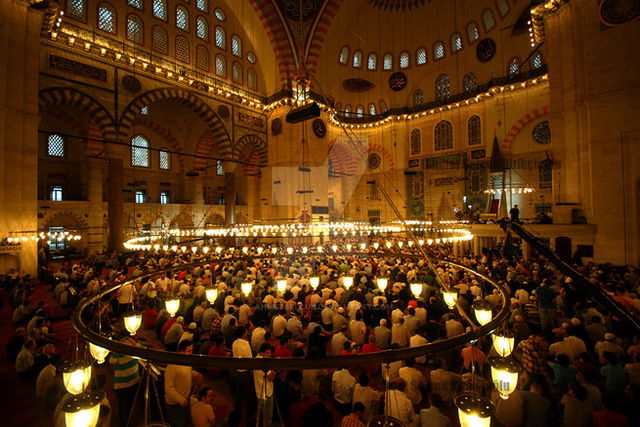
On the day of Eid, Muslims follow their ancient cultural traditions where they visit Mosques for a special morning prayer. After their prayer ends, they gather and embrace each other, and exchange Eid greetings.
Eid al- Adha (Feast of Sacrifice)
Eid al- Adha is a massive celebration in Islam. It takes place on the 10th day of the Dhu al- Hijjah, the last or 12th month of the Hijri calendar, in honor of Ibrahim sacrificing his son Ishmael to Allah's command of him.
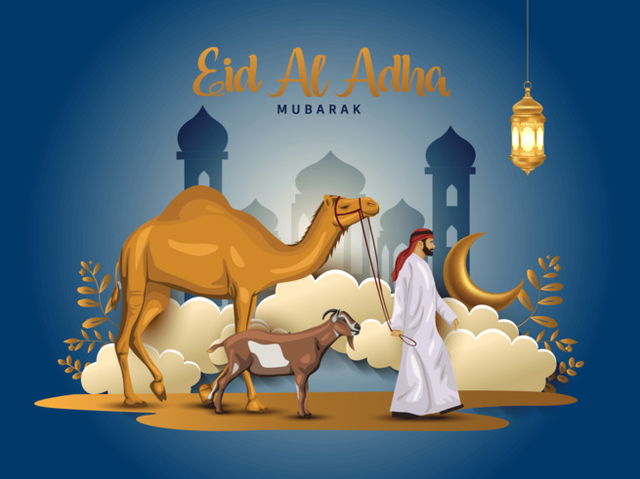
Islam celebrates this festival by slaughtering animals as a sacrifice ritual and sharing them in three parts: one for themselves, one for the family, and the third is distributed among the poor and needy.
Also known as Zakat, this charitable act is a means of reminding people to help and share their happiness and blessings with people in need. Eid al- Adha is marked as a special day in the spirit of sharing and sacrifice.
Families exchange sweets and gifts. People visit their friends and extended family to share greetings. Eid al- Adha is also known as the Greater Eid. It completes the annual Holy Pilgrimage of Hajj.
Mawlid al- Nabi
Mawlid al-Nabi marks the birthday of Prophet Muhammad and is the 12th day of the third month of the Islamic calendar. It is a popular and significant holiday in many Muslim countries.
In 2026, Mawlid al-Nabi will be observed on Tuesday, August 25. People attend prayer services and lectures, share meals and sweets among families, participate in marches, and recite Quran on this day.
Al- Hijri
The Islamic New Year is known as Al- Hijri. Prophet Mohammad established the first Islamic state in 622 CE on this very day. Al- Hijri is the mark of Islam as a community of people.
In 2026, Al-Hijri, will be observed on Tuesday, June 16. People make New Year's resolutions on this day. This day follows no such notable rituals or celebrations.
Ashura
Ashura is a famous occasion among all Muslims. The two sectors of Islam, Shias and Sunnis, mostly honor this occasion in their own ways. For Shia Muslims, this is a somber holiday observing the martyrdoms of Husayn, grandson of Prophet Muhammad. People follow this day through mourning rituals, parades, passion plays, etc.
Sunni Muslims follow this day as the exit of Noah from the ark and Moses being rescued from the Egyptians. They keep fast on this day. In 2026, Ashura will be observed on Thursday, June 25.
List of Islamic Holidays in 2026
| HOLIDAY | DATE | DAY |
|---|---|---|
| Lailat al Miraj | January 15 | Thursday |
| Lailat al Bara'ah | February 2 | Monday |
| Ramadan | February 17 | Tuesday |
| Laylat al Qadr | March 16 | Monday |
| Eid -al- Fitr (End of Ramadan) | March 21 | Saturday |
| Waqf al Arafa - Hajj | May 25 | Monday |
| Eid -al- Adha | May 26 | Tuesday |
| Hijra - Islamic New Year | June 16 | Tuesday |
| Day of Ashura / Muharram | June 25 | Thursday |
| Milad un nabi | August 25 | Tuesday |
The lore behind the celebration of Eid al- Adha
It is said that the Prophet Ibrahim went through several hurdles, trials, and tests in his life. In one of his major tests, Allah (God) commanded him in his dream to sacrifice his son, Ishmael.
Prophet Muhammad and Ishmael agreed to Allah's command as an act of obedience and went to Mount Moriah to fulfill Allah's words from him.
Prophet Ibrahim laid his son with his forehead against the ground and with a sharp knife on his neck. Allah stopped him when he was just about to sacrifice his son. He provided Ibrahim with a large lamb to slaughter in place of his son. Ibrahim sacrificed the animal as a mark of his willingness to sacrifice in the name of God. Thus, this day is also called the Feast of Sacrifice.