International Epilepsy Day
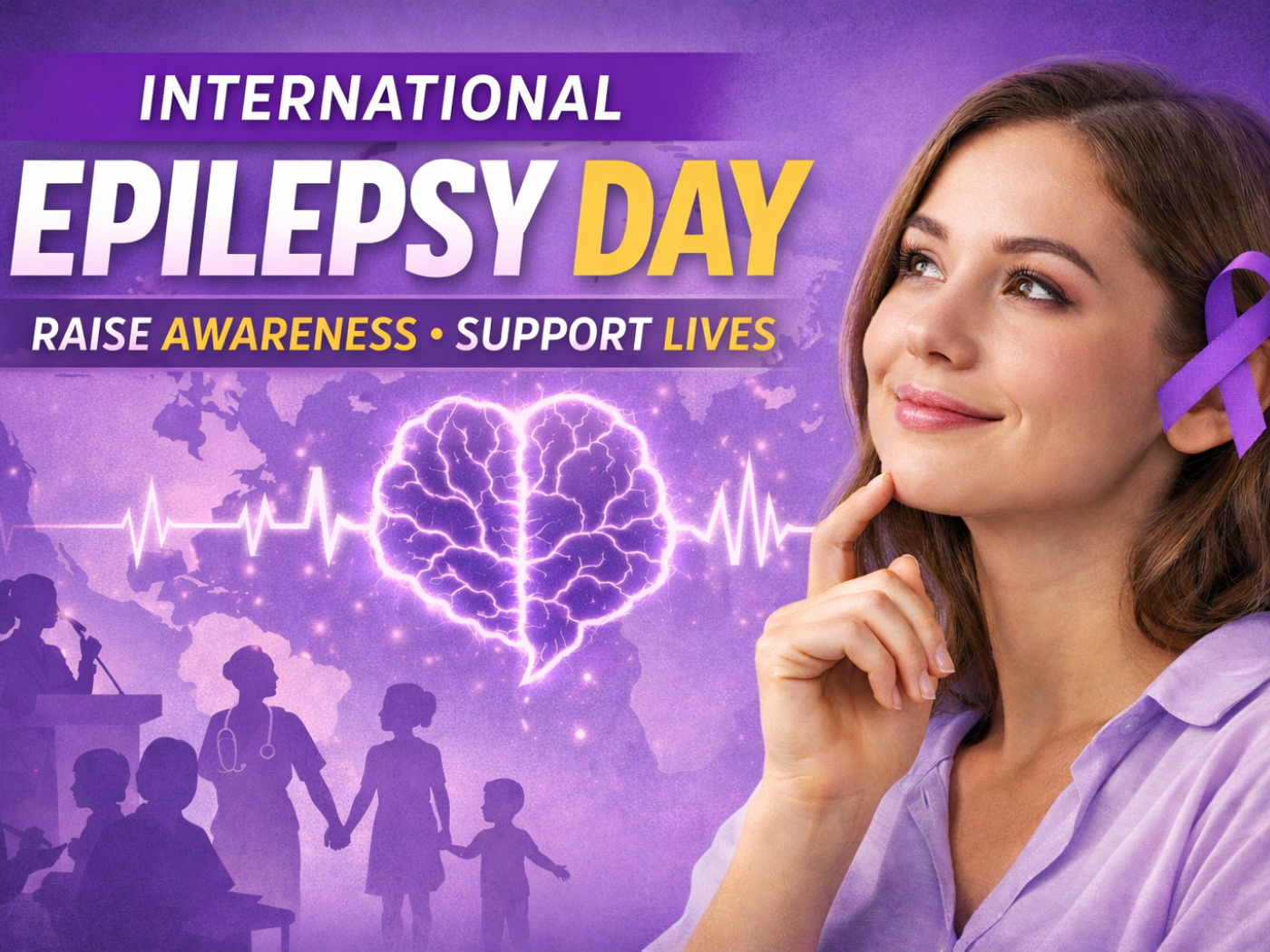
International Epilepsy Day is a global awareness initiative led by the International Bureau for Epilepsy (IBE) and the International League Against Epilepsy (ILAE). Observed every year on the second Monday of February, the day brings the world’s attention to epilepsy. It will be celebrated on January 9 in 2026.
Epilepsy is a neurological condition affecting more than 50 million people globally. However, despite being one of the most common neurological disorders, epilepsy remains widely misunderstood.

What is the Day About
At its heart, International Epilepsy Day is about understanding, dignity, and inclusion. It encourages people to learn what epilepsy truly is, question long-held myths, and listen to the lived experiences of those affected.
What is Epilepsy
Epilepsy is a neurological disorder characterised by recurrent, unprovoked seizures caused by abnormal electrical activity in the brain. These seizures can look very different from one person to another. Some involve convulsions and loss of consciousness, while others may appear as brief staring spells, confusion, or unusual sensations.
Now the exact cause of Epilepsy differs and in many cases may be unknown, but possible causes include genetics, brain injury, infections, stroke, developmental disorders, or tumours.
Common Epilepsy Myths That You Should Not Fall For
- Epilepsy is not a mental illness and it is also not contagious at all.
- Seizures do not always involve shaking.
- Placing objects in someone’s mouth during a seizure is dangerous.
- The vast majority of people with epilepsy have normal intelligence. Epilepsy affects brain activity related to seizures, not intelligence, personality, or creativity.
- Most children with epilepsy attend regular schools and thrive academically. With informed teachers and basic seizure-awareness training, schools can be safe and supportive environments.
Observe International Epilepsy Day
International Epilepsy Day is not just for doctors or organisations, it’s for everyone including you.
You can help by learning seizure first aid, sharing accurate information, supporting epilepsy charities, attending awareness events, or simply treating people with epilepsy with understanding and respect.
You might like to read these articles next: