India will witness the first full moon of 2026 on 3rd January at 3.33 pm IST. This is called the Wolf Moon. However, in 2026 there will be 13 total full moons, as the lunar year is shorter than the solar year, causing the extra days to accumulate and result in one additional full moon.
Full Moon Dates for 2026 according to IST
| January | 03rd | 3.33 PM |
| February | 02nd | 03:39 AM |
| March | 03rd | 05:08 PM |
| April | 02nd | 07:42 AM |
| May | 01st | 10:53 PM |
| May | 31st | 02:15 PM |
| June | 30th | 05:27 AM |
| July | 29th | 08:06 PM |
| August | 28th | 09:48 AM |
| September | 26th | 10:19 PM |
| October | 26th | 09:42 AM |
| November | 24th | 08:23 PM |
| December | 24th | 06:58 AM |
Once a month, the Earth, the Moon, and the Sun align in a straight line with the Earth in between. As a result, we get to see a fully illuminated moon from the Earth, known as the full moon.
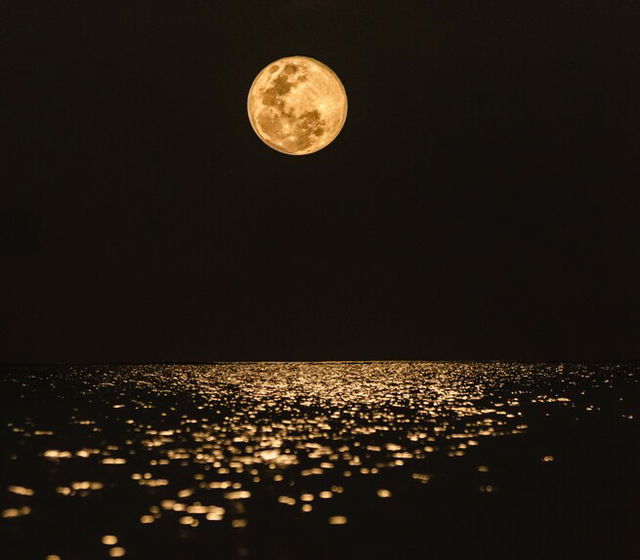
The Full Moon is the third primary Moon phase in the lunar cycle between the First and Last Quarter. Each lunar cycle lasts for around 29.5 days, the time it takes for the Moon to orbit the Earth.
Although by rule, it is said that moons are only visible during the night, we can see the charts showing the moon phases during the day.
This is because the Moon's position in its orbit around Earth determines the Moon's phases rather than its visibility from a particular spot on Earth.
It also depends on your location. The charts will indicate a Full Moon during the daylight if the location remains towards the Sun during the alignment time, but you won't be able to see it at that exact moment.
Full Moon Names
Native Americans traditionally gave names to full moons to keep track of the seasons.
- January: Wolf Moon
- February: Snow Moon
- March: Worm Moon
- April: Pink Moon
- May: Flower Moon
- June: Strawberry Moon
- July: Buck Moon
- August: Sturgeon Moon
- September: Corn Moon
- October: Hunter's Moon
- November: Beaver Moon
- December: Cold Moon
If you want to learn more about full moons, read: The Names Of The 12 Full Moons Explained
Impacts Of The Full Moon
High Tides
The moon's gravitational pull on the earth affects the sea tides. During a Full Moon, these gravitational forces pull the ocean's water in the same direction, which causes higher tides.
Cultural Significance
In some cultures and religions, the Full Moon influences the dates of significant events and celebrations.
For example, in the Hindu culture, it is commonly believed that the moon is a deity that needs to be worshiped. The full moon also emits the most radiant light of the lunar cycle whenever the moon and the sun are on either side of the earth.
The same happens with the date of Easter in Christianity, which is only determined by the vernal equinox and the Full Moon.
In Islamic culture, the moon symbolizes Allah's guidance and blessings throughout your life.
Interesting Facts About the Full Moon
- Due to the constant movement of the moon, a Full Moon is only 100% illuminated for a short time during the day and is only visible in some parts of the World.
- On the day of a full moon, we usually see a 98% illuminated moon for this reason.
- A Full Moon is visible in the sky from sunset until sunrise.
- Due to refraction, some parts of the world get to see the full moon and the sun at the same time during the day
- A lunar eclipse can only take place during a full moon.
- Although full moons occur once a month, an additional full moon known as the blue moon appears in a subdivision of a year (the third of four full moons in a season).
Check now: What phase is the Moon in today?