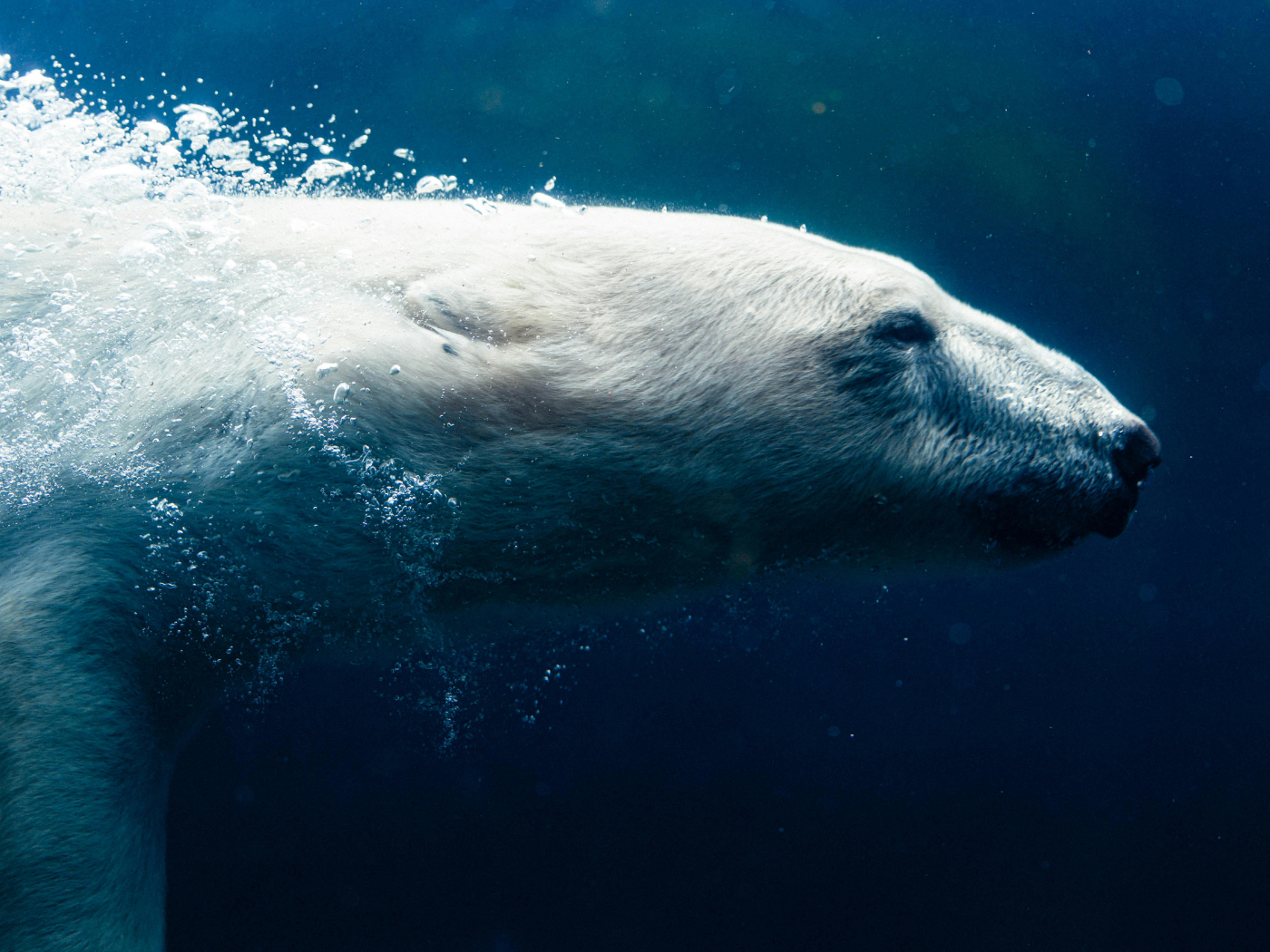
International Polar Bear Day
International Polar Bear Day is observed every year on February 27.
Imagine: somewhere in the Arctic, beneath a blanket of wind-packed snow, a mother polar bear is doing something that looks almost impossible: keeping tiny, helpless newborn cubs alive through the darkest, coldest weeks of the year. Above her, the world is changing fast- ice seasons are shifting, coastlines are busier, and the hunting platform polar bears evolved to depend on is thinning and retreating.
International Polar Bear Day isn’t just a 'save the bears' moment. It’s a reminder that polar bears are a living symbol of what’s happening in the Arctic right now and that protecting moms and cubs during denning season is one of the most direct ways to protect the future of the species.
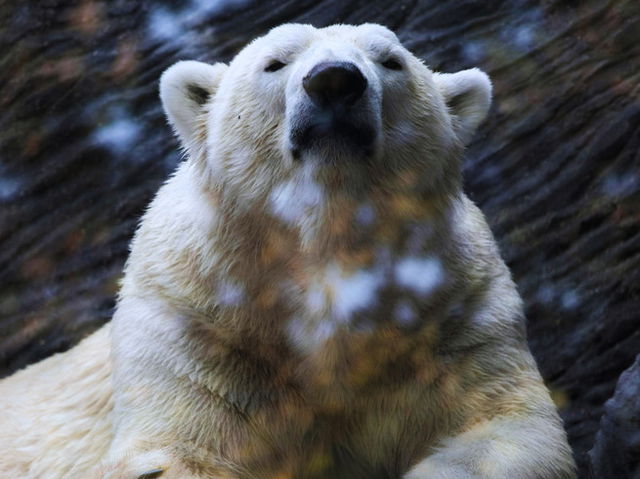
Origin and History of the Day
International Polar Bear Day is widely described as being organized/founded by Polar Bears International (PBI) and intentionally set on February 27 to align with the period when many mothers and cubs are in or near their dens- an especially vulnerable time for families.
How You Can be a Part of International Polar Bear Day
- Support organizations funding den research, den protection, conflict prevention, and climate action initiatives.
- Learn and share science especially about denning and sea ice
Use credible sources (IUCN PBSG, USGS, WWF/PBI explainers) and share 2 to 3 key takeaways that people can remember. Remember awareness is key.
Important Polar Bear Facts
- Polar bears are classified as Vulnerable on the IUCN Red List, mainly because continued sea-ice loss is expected to reduce populations across much of their range.
- Polar bears rely on sea ice as a hunting platform to catch seals, so when sea ice breaks up earlier or forms later, bears often lose access to the high-calorie food they need.
- In several regions, researchers have documented that longer ice-free seasons force bears to spend more time on land, which can increase the risk of hungry bears entering communities and encountering people.
- Research summarized by major conservation groups indicates that cub survival is often low, which is why protecting denning habitat and reducing stressors during early life can have significant conservation impact.
You might like to read these articles next: