National Dog Biscuit Day
National Dog Biscuit Day is celebrated on February 23 every year. As the name suggests, this day is a light, feel-good excuse to celebrate one of a dog’s favorite things: a crunchy, rewarding treat (and the humans who happily hand it over).
Dog biscuits are commonly used for training rewards, bonding moments, and sometimes even to help deliver vitamins/meds.
The Origin Story of Dog Biscuits
1) Before 'treats,' there was 'dog bread'
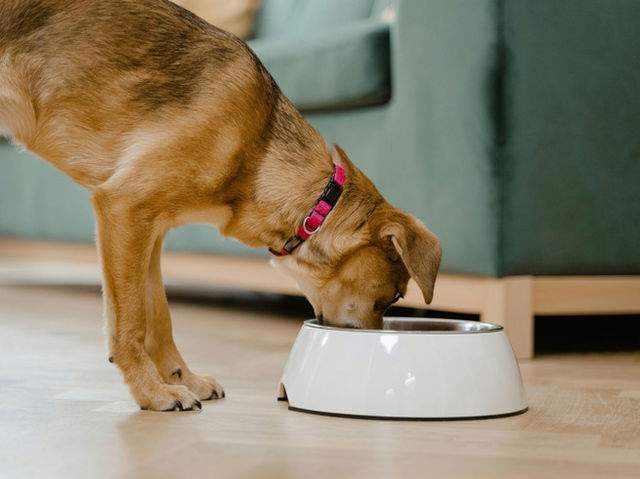
For a long stretch of history, dogs were often fed lower-quality bread or scraps basically the stuff humans didn’t want.
2) 1860: The First Big Commercial Dog Biscuit Moment
A widely repeated (and well-documented) turning point centers on James Spratt, who, while in England, noticed dogs eating hardtack (a tough ship biscuit) near docks.
He used that idea to launch Spratt’s Meat Fibrine Dog Cakes, put on the market around 1860, and marketed heavily to dog owners especially sporting-dog circles. The idea was quite a hit.
3) The Bone Shape: Not Just Cute But Strategic
Later on, the bone-shaped biscuit became iconic, helped along by experimentation and marketing in the early 1900s by the organic chemist Carleton Ellis. A popular account of this shift (and why the shape stuck) is tied to milk-based biscuits and the idea that dogs were already used to chewing bones, so the shape felt instantly familiar.
Celebrate This Day
Bake a super simple homemade batch
Homemade doesn’t have to mean complicated. A popular simple approach is a 3-ingredient biscuit using dog-safe basics (like flour + xylitol-free peanut butter + unsweetened applesauce/water).
Let them cool fully before serving.
Share the love: donate treats to shelter dogs
Call a local shelter/rescue and ask what kinds of treats they accept. It’s a small act that makes kennel life brighter.
Even though the holiday’s creator is unknown, the spirit is simple: celebrate your dog, celebrate the bond, and let a biscuit be the tiny crunchy symbol of a very big love.
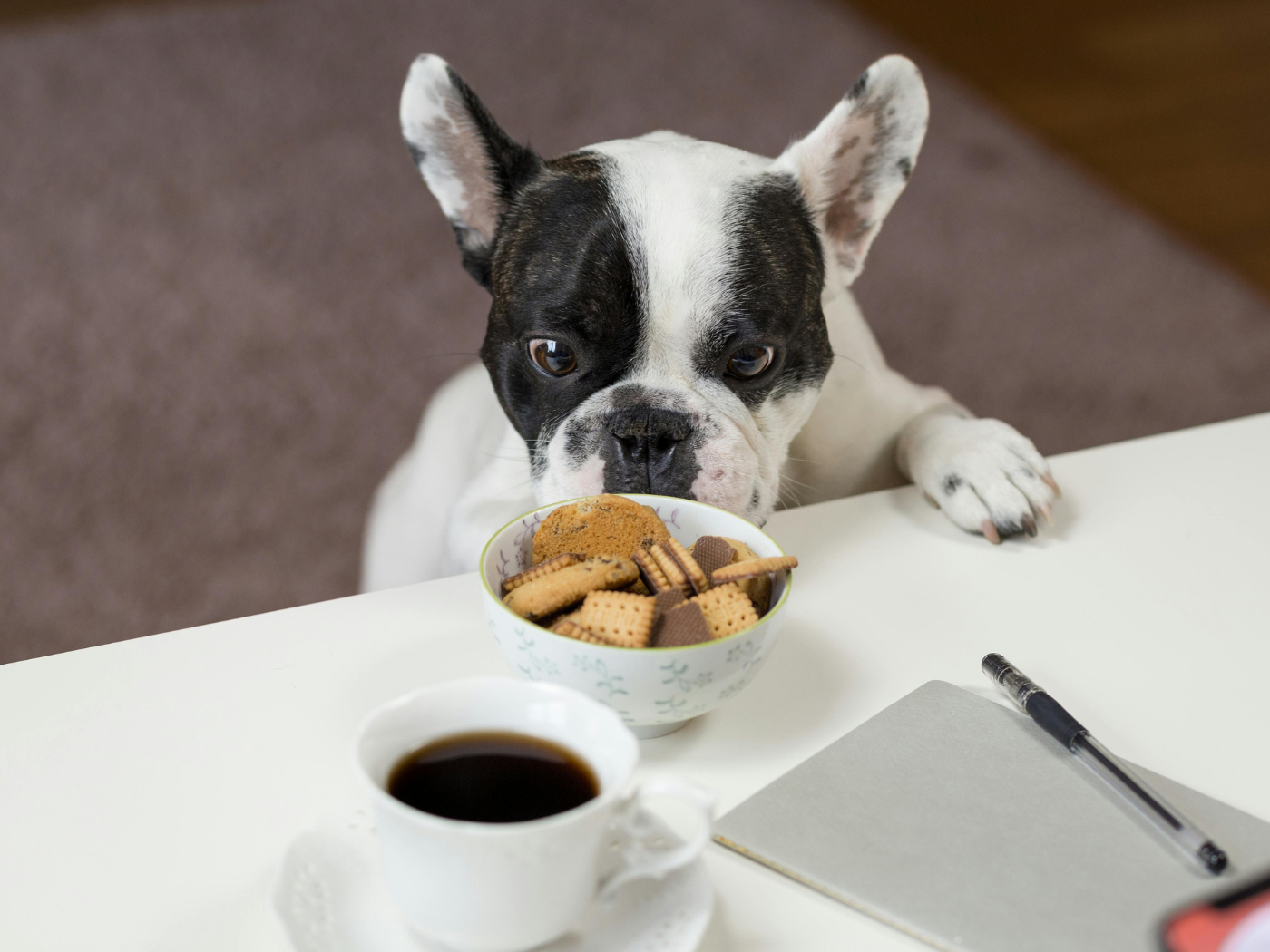
These Ingredients are Dangerous for Your Dog
- Onions
- Garlic
- Caffeine
- Nutmeg
- Alcohol
- Grapes, raisins
- Chocolate
- Xylitol (usually present in sugar-free items)
- Macademia Nuts
You might like to read these articles next:
Trending