International Holocaust Remembrance Day
On January 27 the world commemorates International Holocaust Remembrance Day. This is a United Nations observance that honors and remembers the tragedy of the Holocaust and the millions of people who lost their lives at the hands of the Nazi government.
The 27th was chosen as it marks the anniversary of the date when, in 1945, Soviet troops liberated Auschwitz-Birkenau, the largest concentration camp operated by the Nazis.
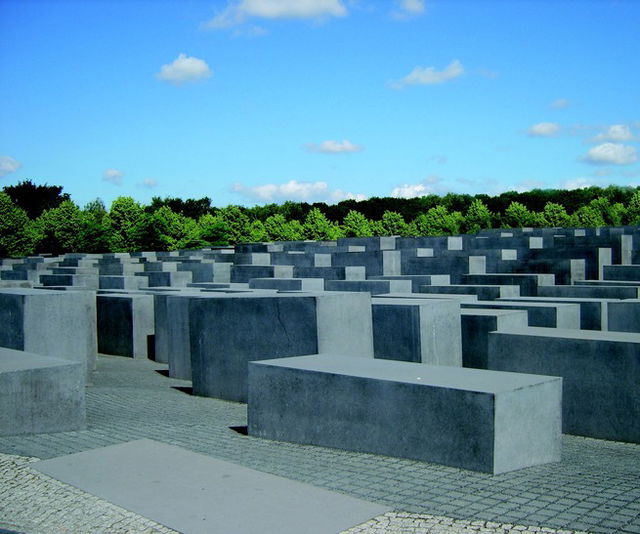
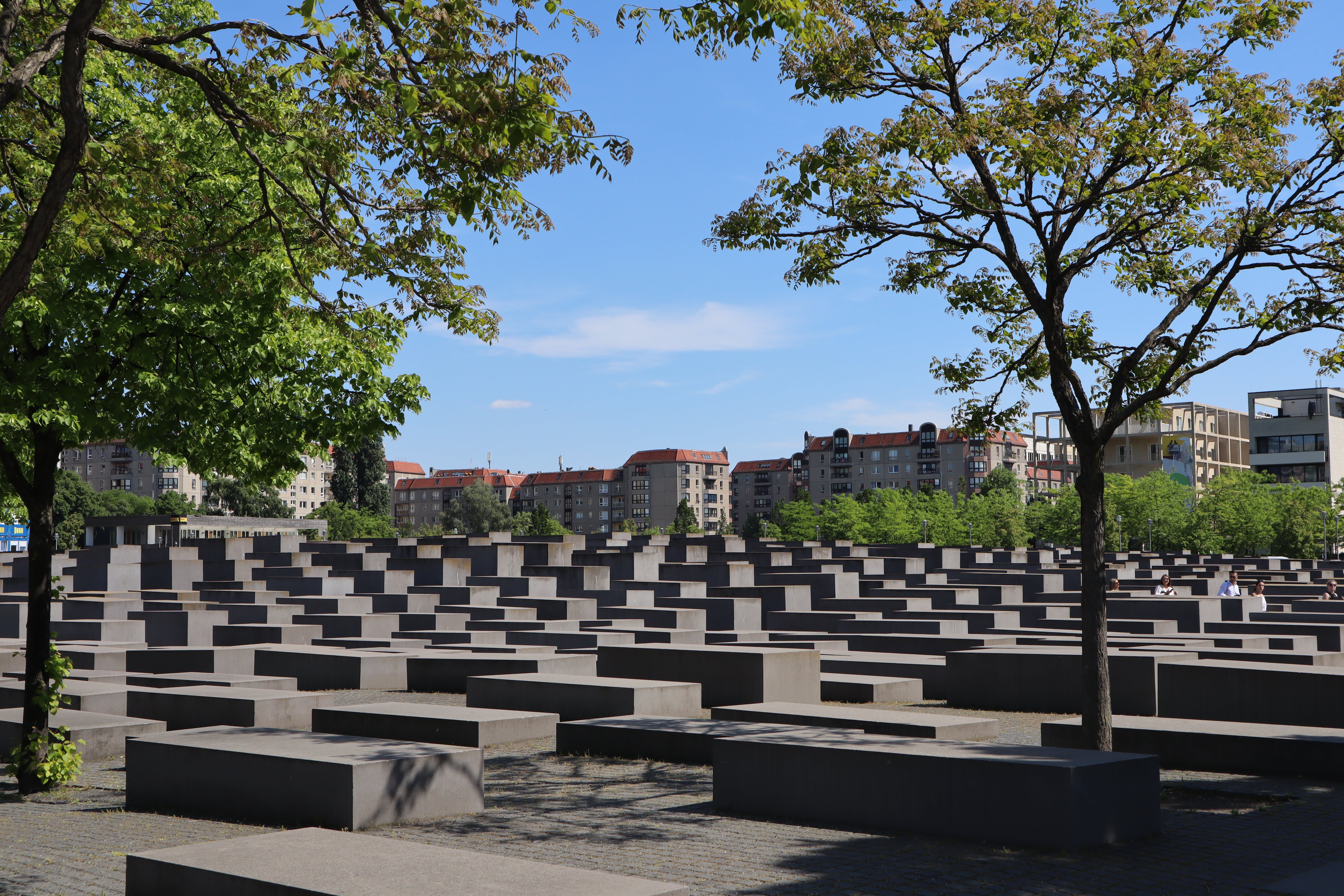
Experience A Slice of History
If you want to observe this day and do something different, here are some ideas
Guided Memorial Tour
Skip-the-Line Entry and Guided Tour
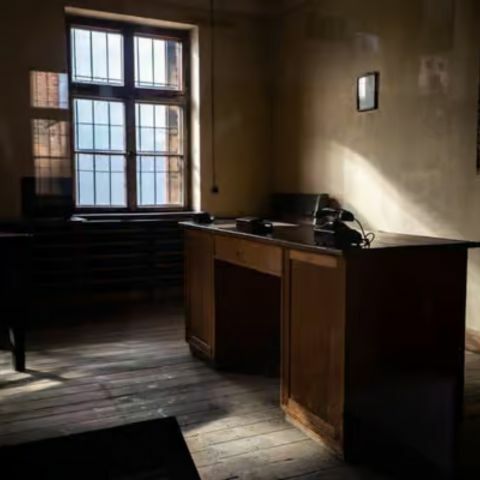
Auschwitz-Birkenau Full-Day Tour
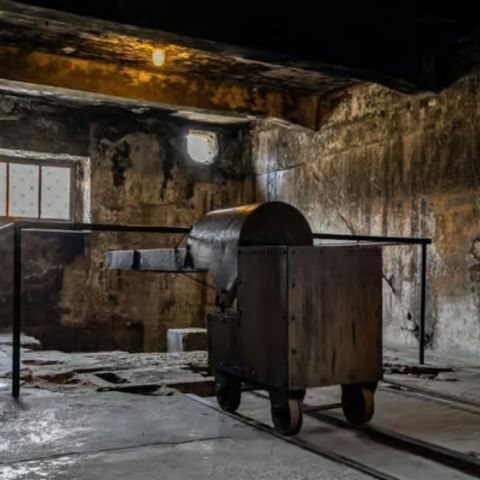
Background
Holocaust Remembrance Day was established by the United Nations General Assembly on November 1, 2005, with Resolution 60/7. The idea for this day came after the commemorations at the 60th anniversary of the end of the Holocaust and the liberation of Nazi concentration camps. These commemorations took place earlier in the year on January 24, 2005.
All member states of the United Nations are encouraged to do several things:
- remember the victims of the Holocaust,
- establish educational programs about the history of the Holocaust,
- teach people about the devastating loss and atrocities that happened during this period
- prevent such future acts of genocide.
It also highlights the importance of preserving the historical sites of the Holocaust and condemns any denial of the Holocaust.
A History of The Holocaust
“If we bear all this suffering and if there are still Jews left, when it is over, then Jews, instead of being doomed, will be held up as an example.”
- Anne Frank
The Holocaust, also known as the Shoah, refers to the deliberate genocide of Jewish people during World War II in Germany and German-occupied territories. Between 1941 and 1945, the Nazi regime established several concentration and death camps, whose purpose was to imprison and exterminate European Jews.
These camps were designed to imprison all those who were thought to be "undesirable" by the regime. Initially, this included war and political prisoners, Roma people, ethnic Poles, people with disabilities, and homosexuals. Eventually, the Nuremberg Laws were enacted, and Jewish people were singled out and isolated from the rest of society.
The Nazi party began by creating ghettos to segregate Jews from the rest of society, a move that at the time was thought to be temporary, to control and contain the Jewish population. In reality, it formed part of a collection of measures that culminated in the "Final Solution"—the immediate killing of Jews and the establishment of thousands of concentration camps where Jews were sent to be exterminated. d. be exterminated. d. Approximately two-thirds of Jews living in Europe, about 6 million Jews, were murdered during the Holocaust.
The Holocaust ended when the Allies defeated the Axis powers (Germany, Italy, and Japan) during World War II. II. Troops from the American, British, French, and Soviet armies liberated the concentration camps in Germany and territories that German forces had occupied.
How to observe International Holocaust Remembrance Day
On this day, many events are held across the world. world. The UN organizes events where Holocaust survivors and world leaders speak publicly about their experiences during the Holocaust, the aftermath, and why we must never forget those events. There are seminars, film screenings, and exhibitions aimed at educating people, especially future generations, about the horrors of the Holocaust.
You can show your respect to the victims of the Holocaust and educate yourself by visiting museums, watching documentaries, and reading books.
- There is the United States Holocaust Museum in Washington, D.C., to which you can pay a visit if you're near.
- You can read books such as The Diary of Anne Frank or Night by Elie Wiesel, which provide firsthand accounts of what it was like to be Jewish in Nazi Germany and concentration camps.
- The Blue Card is a nonprofit organization that supports Holocaust survivors in the United States. You could consider donating to them or volunteering to help one of the elderly survivors.
- In Canada, the Holocaust Museum can be found in Montreal. The museum tells the history of the Holocaust through the stories of victims and survivors. It offers free admission on the first Sunday of every month.
Read Pearl Harbor Remembrance Day next.